Important Advantages of Specialized eWaste Handling: What You Need to Be Aware Of
The removal of electronic waste is a critical issue in the current modern era. Professional electronic waste removal providers not only protect the ecosystem but also ensure adherence with regulations. They address data security issues and streamline the removal procedure, which can significantly affect both expenses and business image. Grasping the multifaceted benefits of these solutions is essential for organizations aiming to handle their e-waste responsibly. What important considerations should organizations consider when selecting a removal provider?
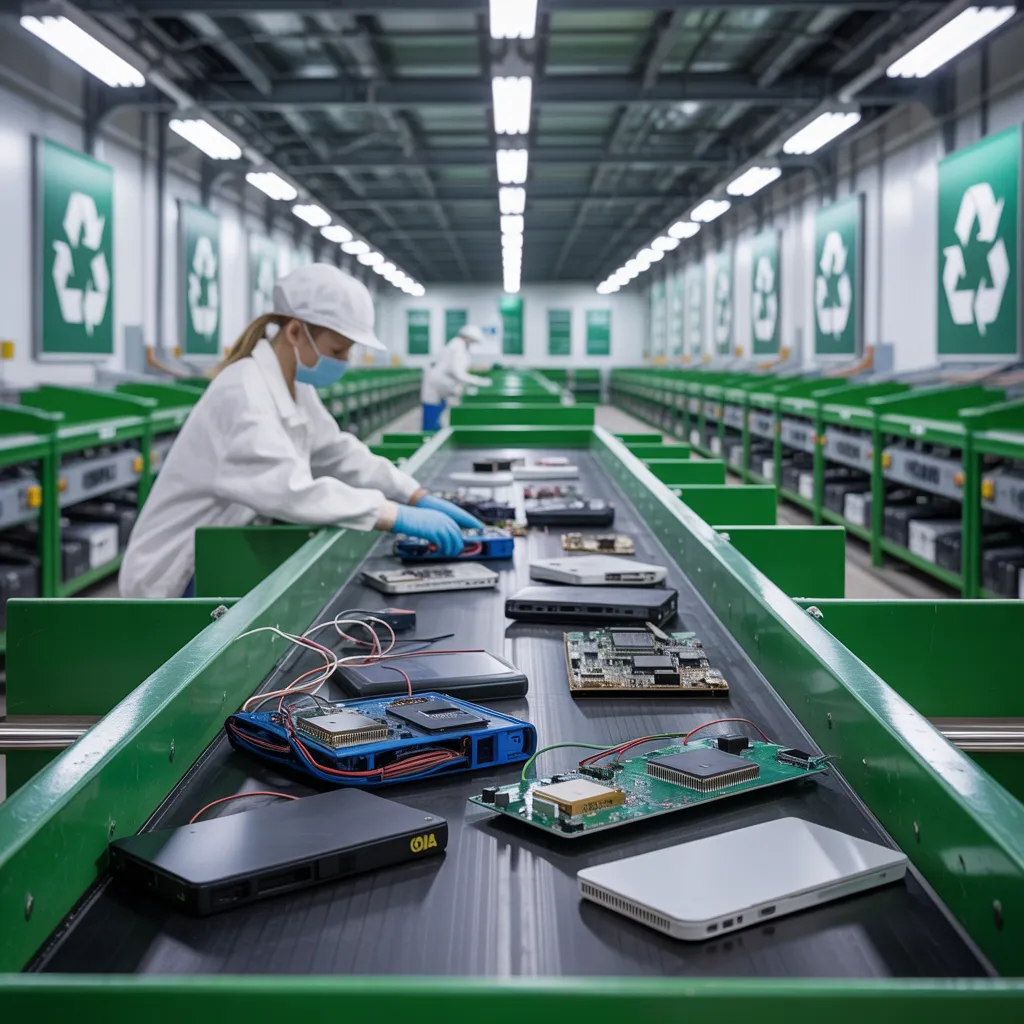
Why E-Waste Reduction Is Essential for the Surroundings
Although technology moves forward at a rapid pace, the environmental damage caused by e-waste stands as a significant problem. E-waste, which includes outdated electronic equipment like smartphones, computers, and televisions, frequently includes poisonous materials such as lead, mercury, and cadmium. When incorrectly discarded, these compounds can penetrate into soil and water sources, introducing substantial risks to natural systems and people.
Moreover, electronic waste plays a part in the growing landfill issue, where important resources are lost. Recycling and proper disposal may reduce these impacts by recovering materials like metals and plastics, cutting down on the demand for virgin resources. Professional e-waste disposal services help ensure compliance with environmental standards, promoting responsible management of electronic waste. By prioritizing proper e-waste disposal, individuals and businesses can play an vital role in protecting the environment, preserving resources, and supporting a sustainable future. Such practices are essential for minimizing the environmental footprint of a tech-centric society.
The Relevance of Observance in E-Waste Elimination Regulations
Observing e-waste disposal guidelines is vital in formulating a legal structure that directs the handling of e-waste. These directives not only guarantee that enterprises adhere to ecological standards but also diminish the harmful impacts of faulty disposal on ecosystems. Understanding the intersection of legal obligations and environmental aspects is essential for proper e-waste management.
Regulatory Structure Explanation
The legal structure directing e-waste handling is vital for ensuring environmentally responsible operations. Various regulations, including the Resource Conservation and Recovery Act (RCRA) in the United States, put forth standards for the processing and management of electronic waste. These laws work to reduce safety concerns and ecological impacts linked to improper handling. Compliance with these rules not only safeguards public health but also builds accountability among manufacturers and consumers. Additionally, global pacts, such as the Basel Convention, stress the requirement for responsible e-waste management on a global scale. Companies must remain aware about these regulatory mandates to avoid fines and advance sustainable practices. Comprehending this framework is essential for any body participating in e-waste disposal.
Ecological Impact Aspects
Improper disposal of e-waste creates significant ecological hazards, making adherence with disposal regulations a critical factor in mitigating these dangers. Electronic devices often contain hazardous materials, such as lead and mercury, which can seep into soil and water, harming ecosystems and public health. Complying to e-waste disposal requirements guarantees that hazardous materials are managed safely, reducing the likelihood of environmental contamination. Moreover, compliance enables the recovery of valuable materials, promoting sustainability and resource preservation. Organizations that emphasize compliance with regulations not only contribute to environmental protection but also enhance their reputation. As awareness of e-waste issues grows, compliance becomes increasingly vital for businesses and individuals seeking to reduce their ecological footprint and promote responsible disposal practices.
How Industry Experts Deliver Risk-Free Processing of Harmful Materials
Many companies struggle with handling hazardous materials found in electronic waste, making professional services crucial for safe removal. These services are possess the expertise and resources required to handle toxic substances, such as lead, mercury, and cadmium, which are commonly found in outdated electronics. Professionals follow stringent regulations and guidelines to guarantee compliance with environmental laws, minimizing the risk of contamination and harm.
Furthermore, trained specialists deploy specialized tools and techniques to safely dismantle and recycle electronic components. This process minimizes exposure to toxic substances, protecting both workers and the community. Professional services also furnish proper documentation, ensuring accountability in the disposal chain. By assigning e-waste disposal to certified experts, organizations can reduce potential liabilities and support sustainable practices, creating a safer environment for all. Consequently, professional e-waste disposal is not only a legal necessity but also a ethical approach for handling hazardous materials.
Data Security: Why Professional E-Waste Management Matters
Maintaining data security remains a critical concern for businesses disposing of electronic waste. Outdated devices regularly contain restricted data, comprising individual records, exclusive information, and transaction documentation. Inadequate management may lead to data breaches, exposing organizations to compliance risks and reputational damage. Qualified waste handlers utilize certified methods to securely erase data from devices, ensuring that it cannot be recovered.
These solutions often adhere to strict regulatory standards, such as GDPR and HIPAA, which mandate the secure processing of sensitive information. By entrusting e-waste disposal to experts, organizations mitigate risks associated with data theft and unauthorized access. Additionally, these experts provide records that verifies proper data destruction, offering peace of mind to companies worried about their data security. In an age where cyber threats are commonplace, prioritizing professional e-waste disposal is essential for protecting sensitive information and preserving trust with clients and stakeholders.
Simplifying Your E-Waste Management System
Streamlining the e-waste disposal process requires establishing effective gathering techniques and simplified sorting procedures. These approaches not only enhance workflow productivity but also ensure safe recycling practices are followed. By optimizing these steps, organizations can significantly decrease their ecological footprint and improve adherence with regulations.
Streamlined Collection Approaches
Efficient collection approaches hold significant importance in bettering the e-waste disposal process. With scheduled pickups and assigned drop-off sites, organizations can effectively minimize the hurdles for consumers to dispose of their electronic waste in a responsible way. Employing specialized collection vehicles along with trained staff guarantees that e-waste is managed safely and securely, lessening the chances of environmental harm. Moreover, teaming up with local businesses and community organizations enhances outreach activities, motivating greater engagement in recycling programs. Advanced tracking systems can also be employed to monitor collection rates and identify trends, facilitating continuous improvement in disposal strategies. Ultimately, such efficient collection techniques aid a more sustainable method of managing electronic waste, offering advantages to the environment and local communities.
Streamlined Sorting Procedures
Drives to improve streamlined acquisition systems naturally require the need for simplified sorting procedures. Streamlining the sorting process considerably reduces the time and labor demanded by e-waste disposal. By instituting well-defined classification structures, organizations can readily identify and differentiate various types of electronic waste, such as computers, mobile devices, and appliances. This not only accelerates the disposal process but also lowers the risk of contamination between different materials. Additionally, simplified sorting diminishes the burden on workers, allowing them to focus on regulatory adherence and protective protocols. Ultimately, robust sorting procedures guarantee that e-waste is administered ethically, setting the stage for correct recycling and disposal, while also enhancing overall environmental sustainability.
Responsible Waste Handling Standards
Implementing safe recycling methods is essential for proper e-waste disposal. Professionals in the field focus on techniques that limit environmental impact and maintain compliance with regulations. This includes the appropriate segregation of elements, such as metals, plastics, and hazardous components, to facilitate effective recycling. By employing certified recycling facilities, e-waste is processed with the highest care, reducing the risk of harmful toxins contaminating the environment. Additionally, safe practices encourage the recovery of valuable materials, contributing to a sustainable economy. Organizations that adopt these practices not only protect the environment but also improve their reputation as responsible corporate citizens. Ultimately, adopting safe recycling practices simplifies the e-waste disposal process, ensuring sustainability and compliance with legal standards.
Cost Returns from Professional E-Waste Processing
Many organizations find that expert electronic waste removal can substantially reduce long-term costs linked to managing obsolete electronics. By delegating e-waste management, organizations reduce expenses related to storage, handling, and potential fines for improper disposal. Expert solutions often include collection, transportation, and recycling, simplifying operations and reducing labor costs.
Additionally, qualified e-waste disposal vendors guarantee compliance with environmental regulations, supporting businesses avoid hefty penalties that stem from non-compliance. This proactive approach not only mitigates economic setbacks but also enhances the company's reputation as an green-minded organization.
Furthermore, numerous electronic waste removal providers deliver data destruction, guarding sensitive information and decreasing the chance of cyber breaches that might cause expensive legal repercussions. In the end, dedicating resources to professional e-waste disposal produces major savings, highlighting the value of utilizing a calculated approach to electronic disposal.
Finding a established E-Waste Disposal Solution?
In what methods can businesses guarantee they pick a credible e-waste disposal service? Initially, they should verify credentials and adherence with local rules, ensuring the service conforms to ecological standards. A reliable provider will have credentials such as R2 or e-Stewards, which demonstrate ethical waste management practices.
Next, organizations should research the service's past performance and reputation. Testimonials and feedback can give insight into the reliability and quality of service. Additionally, a reputable company will supply transparent pricing and clearly outline their disposal processes.
It is also vital to ask about data security measures. A reliable service should ensure the secure destruction of sensitive information on devices. Finally, businesses may gain advantages by choosing a service that offers extra features, such as asset recovery or refurbishment, improving overall value. By taking these steps, businesses can assuredly choose a reliable article e-waste disposal partner that aligns with their sustainability goals.
Regularly Posed Questions
Which Types of Electronic Equipment Can Be Disposed of Professionally?
Professionally managed electronics include computers, monitors, televisions, printers, smartphones, tablets, and other devices containing circuit boards or batteries. Proper handling guarantees hazardous materials are managed safely, encouraging environmental responsibility and compliance with regulations.
How Many Times Should Businesses Eliminate E-Waste?
Organizations should dispose of e-waste at least annually, or more often depending on their volume of outdated electronics. Regular disposal helps mitigate ecological harm and assures adherence with laws about dangerous substances.
Do tax incentives exist for electronic waste disposal?
Tax benefits for e-waste recycling exist in various forms, such as credits and deductions. These benefits prompt companies to responsibly recycle, decreasing ecological consequences while possibly reducing their tax liabilities through involvement in authorized recycling initiatives.
Can Non-Profit Groups Gain Advantages From E-Waste Removal Services?
Non-profit organizations can truly reap the benefits of e-waste disposal services. These offerings often present cost-effective solutions, foster environmental responsibility, and may open fundraising channels through relationships, enhancing their community engagement and sustainability initiatives.
How is E-Waste Treated Following Commercial Management?
During specialized removal, e-waste is normally dismantled into pieces, with recoverable substances separated. Harmful materials are securely managed, while workable parts are refurbished or repurposed, ensuring ecological integrity and advancing waste reduction in a sustainable manner.