Retail Colocation: Elevating Your Business With Powerful Data Center Solutions
Retail colocation provides an important opportunity for businesses seeking efficient IT infrastructure. By utilizing space in shared data centers, companies can considerably lower costs and enhance operational capabilities. This strategy permits organizations to concentrate on their primary functions while leveraging advanced security features and flexible resources. However, the choice to implement retail colocation involves a number of important factors that can impact long-term success. What criteria should organizations examine to confirm they select the right option?
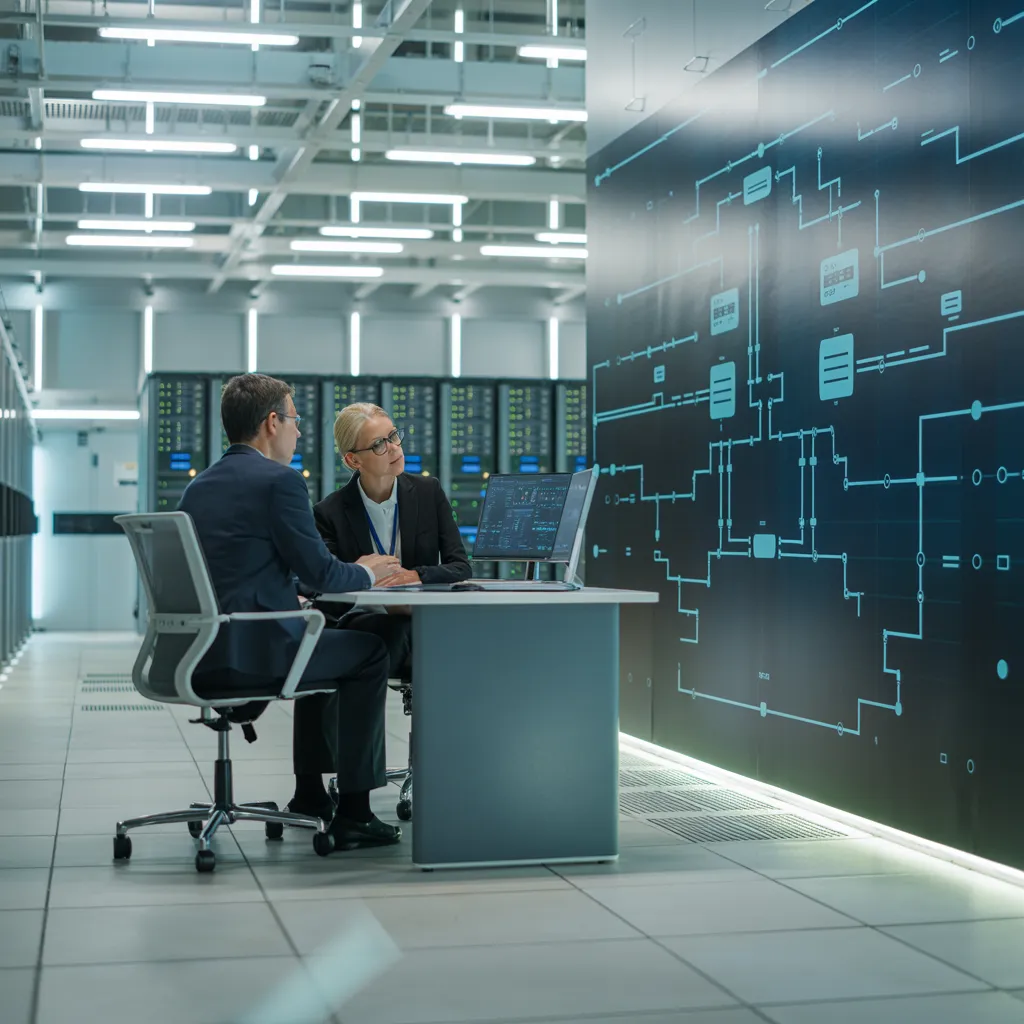
A Deep Dive into Retail Colocation: An All-Inclusive Overview
Retail colocation provides businesses a flexible and cost-effective solution for managing their IT equipment. This approach enables organizations to rent space within a data center, supplying critical resources including electrical power, climate control, and security. By co-locating within a shared facility, organizations can lower expenses related to building and maintaining their own data centers.
Retail colocation facilities are equipped with cutting-edge technology, providing reliable and flexible operations. Companies benefit from high-speed internet connectivity, redundant power sources, and stringent security protocols, which are generally more difficult to establish on their own.
Moreover, retail colocation empowers businesses to prioritize their essential operations instead of managing on-site infrastructure. It delivers a range of options to serve varying needs, from small startups to large enterprises. This model fosters an environment where organizations can seamlessly adapt to evolving technology demands while upholding productive operations.
Top 5 Reasons Retail Colocation Drives Business Growth
Five key advantages highlight why organizations continue to adopt colocation as a strategic solution for long-term success. As the first point, colocation provides cost efficiency by lowering the costs associated with constructing and operating an in-house data center. Next, it enables scalability, permitting organizations to scale their infrastructure without significant investment. Third, enhanced reliability is an essential benefit; colocation facilities often come with see now redundant power, cooling, and connectivity, guaranteeing continuous availability. Furthermore, access to advanced technology is a distinct advantage, as colocation centers typically feature state-of-the-art equipment that may be economically impractical for individual businesses. As the fifth benefit, colocation promotes improved focus on core business activities. By outsourcing data center needs, companies can allocate more resources to strategic initiatives rather than technical upkeep. Taken together, these advantages make retail colocation an attractive option for businesses looking to optimize their operational efficiency and sustain long-term development.
How Does Retail Colocation Improve Data Security?
Even though numerous organizations understand the importance of data security, few realize how retail colocation services can significantly improve their protective measures. By taking advantage of shared data center resources, companies gain access to advanced security technologies that might be economically impractical to deploy on their own. Such colocation environments typically feature comprehensive physical safeguards, including biometric authentication systems, video monitoring infrastructure, and dedicated security staff, mitigating risks from unauthorized entry.
Additionally, such facilities frequently offer robust cybersecurity resources, such as intrusion detection systems and firewalls, designed to safeguard valuable information. Routine security assessments and compliance with industry standards confirm that information remains safeguarded against advancing cyber threats. In addition, the resilience ensured by colocation services ensures continuous data access even during outages, improving the overall security posture. Ultimately, retail colocation not only consolidates resources but also strengthens data protection, empowering enterprises to center on their key operations with greater peace of mind.
How Retail Colocation Offers Scalability and Flexibility
Retail colocation offers businesses the opportunity to seamlessly grow their operations through dynamic resource management. This versatility allows for rapid infrastructure expansion, enabling development without the need for substantial financial commitment. Furthermore, tailored solutions can be developed to address unique business requirements, improving overall flexibility in a competitive marketplace.
On-Demand Resource Allocation
Scalability and flexibility are essential attributes in today's fast-paced digital landscape, and on-demand resource provisioning through colocation solutions efficiently addresses these demands. Retail colocation empowers organizations to scale their IT infrastructure dynamically in response to real-time requirements. This model allows companies to quickly increase or decrease their server capacity without the long lead times associated with traditional infrastructure investments. Through the use of colocation facilities, organizations gain access to supplementary bandwidth, storage, and computing power on demand, enabling them to maintain agility when navigating evolving market conditions. This on-demand approach not only optimizes operational efficiency but also helps reduce costs by eliminating the need for excessive upfront capital expenditure. At its core, retail colocation equips organizations to transition smoothly in response to changing demands.
Fast-Paced Infrastructure Scaling
As businesses increasingly require rapid adjustments to their IT infrastructure, retail colocation presents itself as a key solution for accommodating growth. This approach allows companies to quickly scale their operations without the burden of significant capital expenditures associated with building and maintaining their own data centers. By utilizing shared infrastructure, businesses can obtain extra resources and bandwidth as needed, making certain they can react swiftly to market fluctuations or surges in demand. Retail colocation also provides the flexibility to adjust power and space needs as organizational demands change. With reliable infrastructure and expert support, businesses can focus on their core objectives while seamlessly growing their operational capacity, thereby strengthening their position in an ever-changing market.
Tailored Solutions for Growth
Taking advantage of retail colocation, companies secure a fundamental benefit in reaching both scalability and flexibility. This method enables companies to readily adapt their IT infrastructure according to market requirements. Through leveraging shared resources in a colocation facility, organizations can grow their operations without the significant initial expenses linked to constructing and managing their own data centers. The adaptable architecture of colocation services facilitates smooth incorporation of extra servers and networking equipment when required. Moreover, organizations can swiftly downsize during less active periods, enhancing resource management. This adaptability not only improves operational productivity but also fosters innovation, enabling businesses to concentrate on expansion strategies while depending on reliable data center solutions to handle their technological requirements.
How to Identify the Ideal Retail Colocation Partner
Finding the right retail colocation partner starts with a detailed evaluation of infrastructure requirements. Businesses must determine their particular requirements to ascertain compatibility with potential providers. Moreover, reviewing service level agreements is critical to confirm that the chosen partner satisfies performance and reliability benchmarks.
Analyze Infrastructure Needs
When analyzing infrastructure needs, organizations need to thoroughly evaluate their specific needs to find the most suitable retail colocation partner. This assessment begins with establishing current and future data storage requirements, as well as connectivity requirements. Businesses need to account for their expansion plans and the potential need for scalability at the colocation center. Additionally, evaluating power and cooling capabilities is essential, confirming the provider supports high-performance equipment. Security features, encompassing physical and cyber, should also be carefully reviewed to secure confidential data. Finally, the physical location of the data center needs to support recovery strategies and performance needs. By considering these elements, companies can arrive at sound choices when identifying a colocation services partner that best supports their operational goals.
Evaluate Service Level Agreements
Reviewing SLAs is a critical component in selecting the right data center partner after reviewing the necessary infrastructure specifications. SLAs establish the obligations and standards between the service provider and the company, including availability commitments, support response times, and security protocols. A thorough analysis of these agreements can identify key risks and advantages, maintaining consistency with organizational objectives. Important factors to consider include penalties for non-compliance, escalation procedures, and terms for service credits. Moreover, businesses should assess the provider's track record in meeting SLAs, as this indicates a strong commitment to delivering quality service. In conclusion, a clearly structured service contract enables a mutually beneficial collaboration, enabling organizations to effectively utilize colocation services for greater operational effectiveness.
Smart Strategies for Maximizing the Value of Your Colocation Investment
Maximizing a colocation commitment demands thoughtful planning and sound decision-making. Companies can boost cost-efficiency by thoroughly evaluating their needs before choosing a service provider. This confirms consistency with provider capabilities and prevents unneeded costs.
Utilizing scalable solutions serves as an additional critical tactic. By selecting a provider that supports adaptable scaling, businesses can adjust their resources in response to changing demands, thereby minimizing waste.
Regularly reviewing and enhancing resource usage is essential. Using tracking solutions can identify underutilized assets, enabling organizations to make strategic choices about redistribution or reduction.
Negotiating favorable terms in service contracts (SLAs) can also yield significant savings. Companies should ensure they are aware of all associated expenses , including concealed charges.
Finally, leveraging power-efficient innovations can reduce operational costs, greatly enhancing the investment in colocation. Through the application of these approaches, organizations can confirm colocation solutions provide optimal returns while facilitating organizational expansion.
Questions We Frequently Receive
What Types of Businesses Benefit Most From Retail Colocation
Businesses in finance, e-commerce, and technology fields gain the most advantages from colocation solutions. These industries need robust infrastructure, fast connectivity, and scalability, which allows them to enhance performance, reduce costs, and improve overall operational efficiency.
How Is Retail Colocation Set Apart From Conventional Data Centers?
Retail colocation stands apart from standard data center facilities by offering cost savings, shared infrastructure, and flexible scalability. Companies gain from improved connectivity and cutting-edge infrastructure without the overhead associated with running a dedicated private facility.
What Are the Biggest Myths About Retail Colocation?
Widespread misconceptions about retail colocation involve the incorrect assumption that it caters solely to large-scale businesses, unnecessarily expensive, lacks security, and offers limited scalability. In reality, it provides flexibility, affordability, and robust security options suitable for various business sizes.
In What Ways Does Retail Colocation Influence Environmental Sustainability?
Retail colocation services positively impacts ecological sustainability by optimizing energy usage, minimizing carbon output, and facilitating the sharing of resources. By consolidating infrastructure, it minimizes waste and boosts overall efficiency, contributing to greener data management practices in the industry.
What Is the Typical Contract Length for Retail Colocation Services?
Common contract terms for retail colocation solutions vary between one and three years, although some providers may provide month-to-month arrangements. Adaptable contracts permit businesses to modify their data center demands as circumstances develop.